M O N A R C H

This speculative proposal was selected by the Museum of Architecture (MoA) to be exhibited at Great Exhibition Road Festival, 2026. The project was a response to a brief inviting participants to think about what an exhibition, gathering space, should be. Following this, may an appropriate form for the architecture can follow.

Aemulatio - from spectacle to succession, what does a project leave behind?

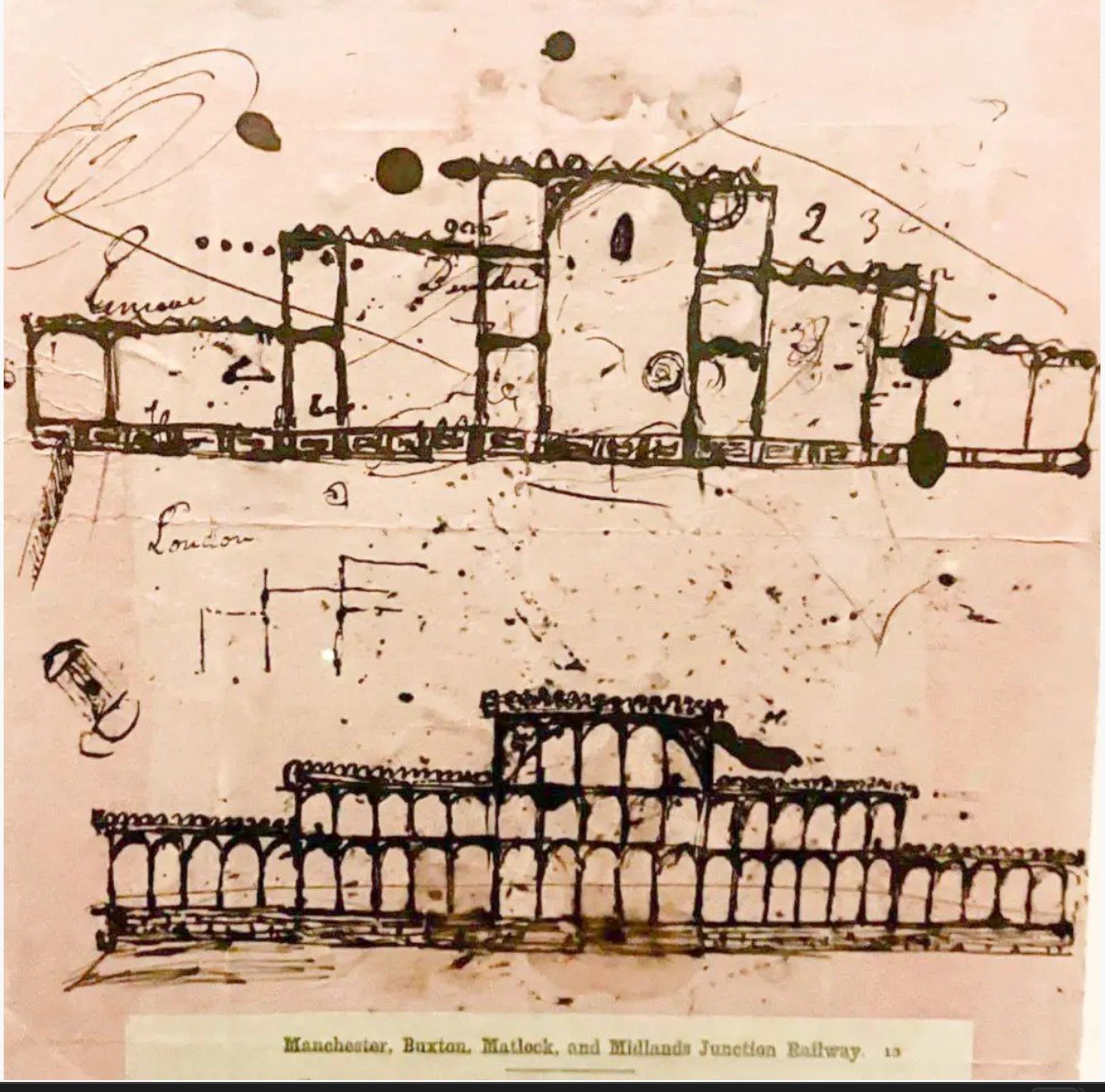
The Great Exhibition of 1851 is often remembered for its resolute display of technological excellence. Less is spoken about the process that it took to reach such an accomplishment.The collaborative patronage of Prince Albert, Henry Cole and the members of the Royal Society for the encouragement of Arts, Manufactures and Commerce. An unsuccessful competition for the design of the exhibition hall. A late entry from a gardener called Joseph Paxton, who adapted his skills for a worthy outcome. Crystal Palace is born. 


The profits of the Great Exhibition at Crystal Palace led to the creation of Albertopolis. The Albertopolis district, now central to London’s cultural and educational landscape includes institutions such as: Albert Memorial, The Albert Hall, The Science Museum, The Victoria & Albert Museum, Imperial College, The Royal Colleges of Art and Music developed by The Royal Commission. The legacy of the Great Exhibition is symbolised by the Crystal Palace but institutionalised through the museums, colleges and cultural bodies it funded. Can and should this model be replicated to extend the tradition of the legacy of public patronage and cultural production in Britain? A new Crystal Palace is not an exhibition hall, but a platform that produces future institutions, just as the Great Exhibition of 1851 did.

Context - Comparing Britain then and now 

At the time of the Great Exhibition in 1851, the Great British Empire stood at the height of imperial power and cultural influence. The Crystal Palace operated as an instrument and symbol of power and dominance displaying British innovation alongside contributions from the rest of the world. The Victorian era marked a period of rapid industrial and technological transformation that helped define the nation’s economic and cultural identity. Today, Britain occupies a markedly different position. Questions surrounding migration, national identity and belonging now shape public discourse. This new position allows us to reconsider British identity as culturally layered. To what extent can we build upon successive waves of ethnic adaptation on the British Isles that have contributed to the Britain of today? This project positions migration not only as subject matter, but as a framework through which the particularities of multiple influences on society have expanded the definition of British identity. 

The Monarch - A New Crystal Palace

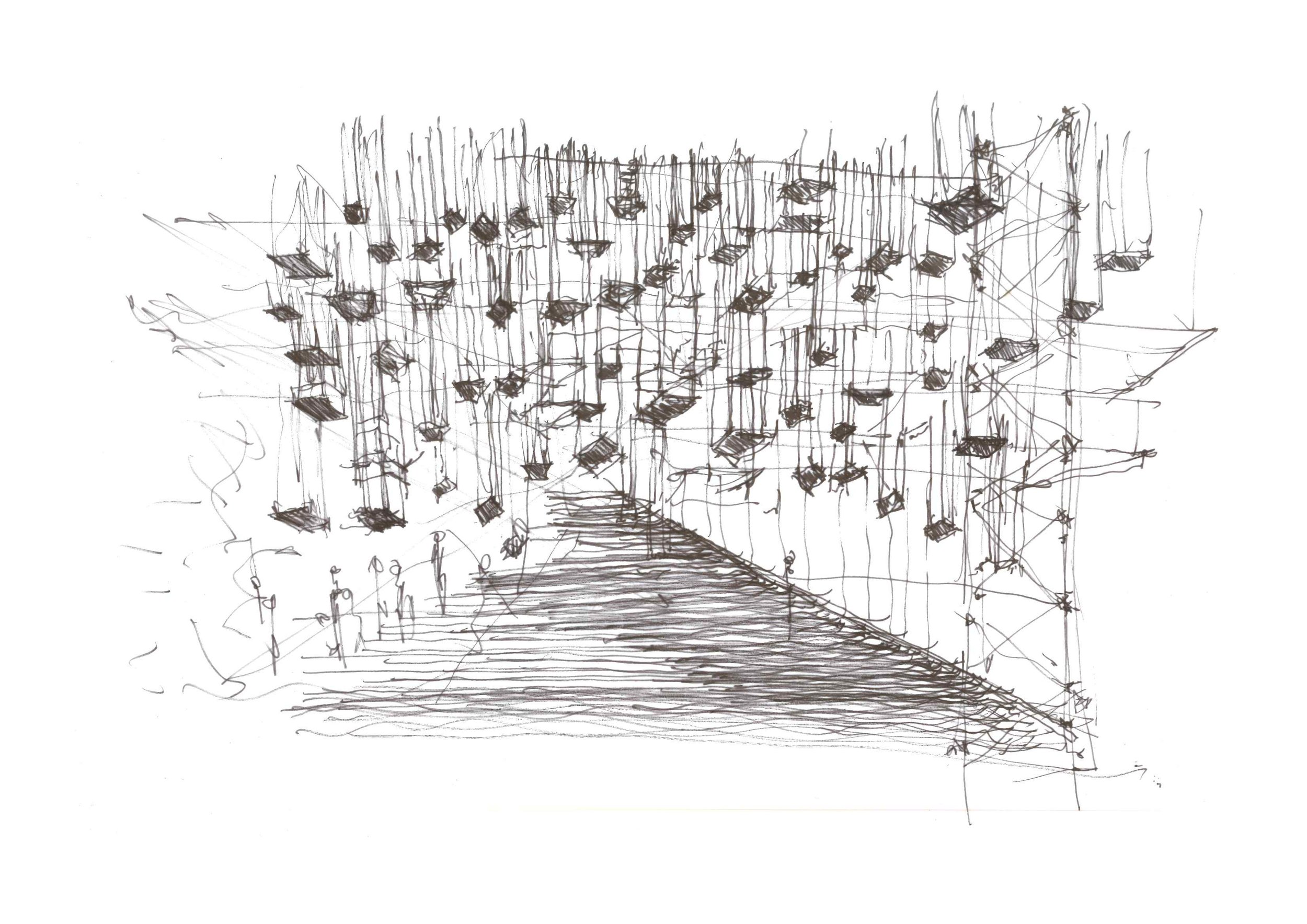
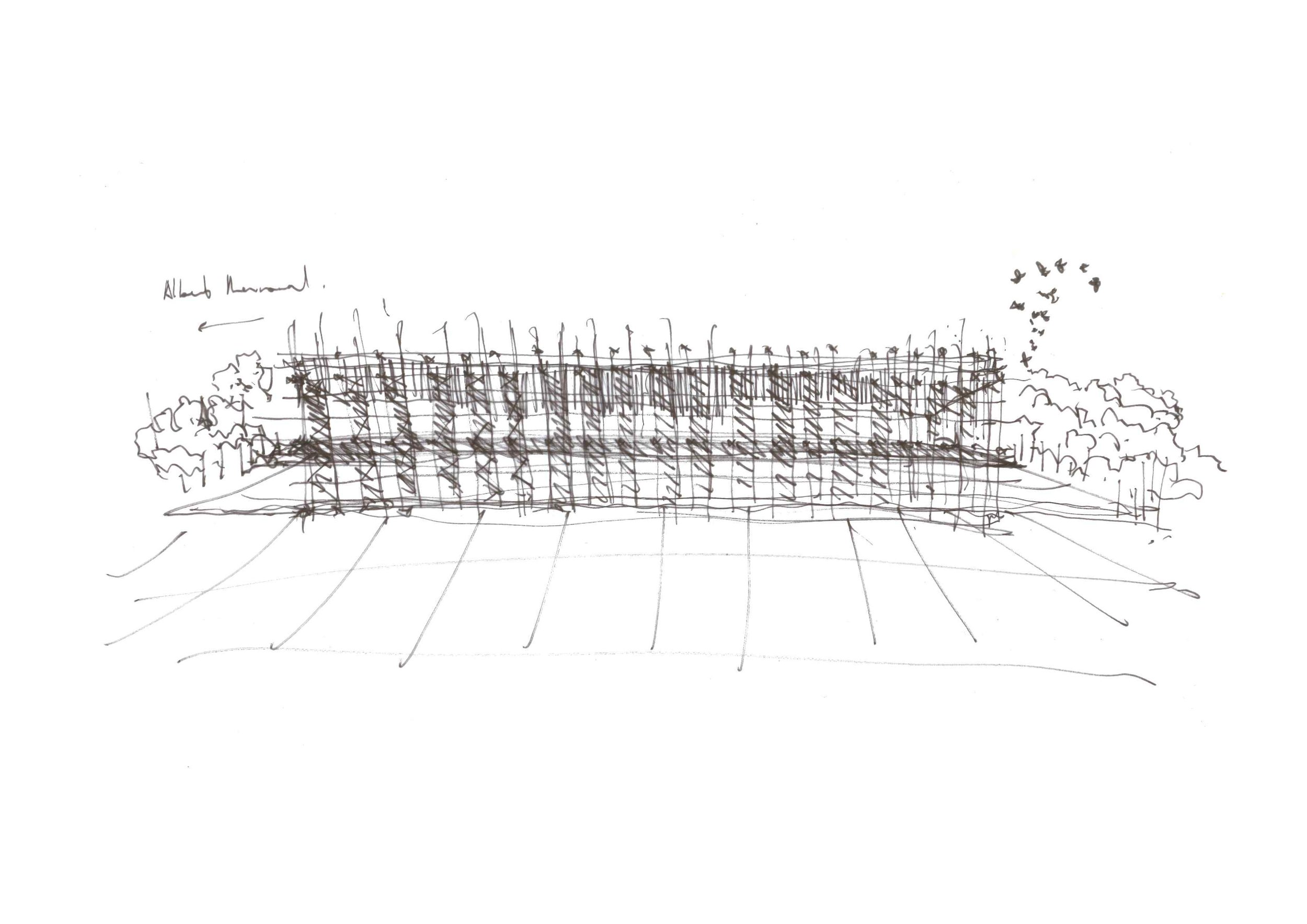
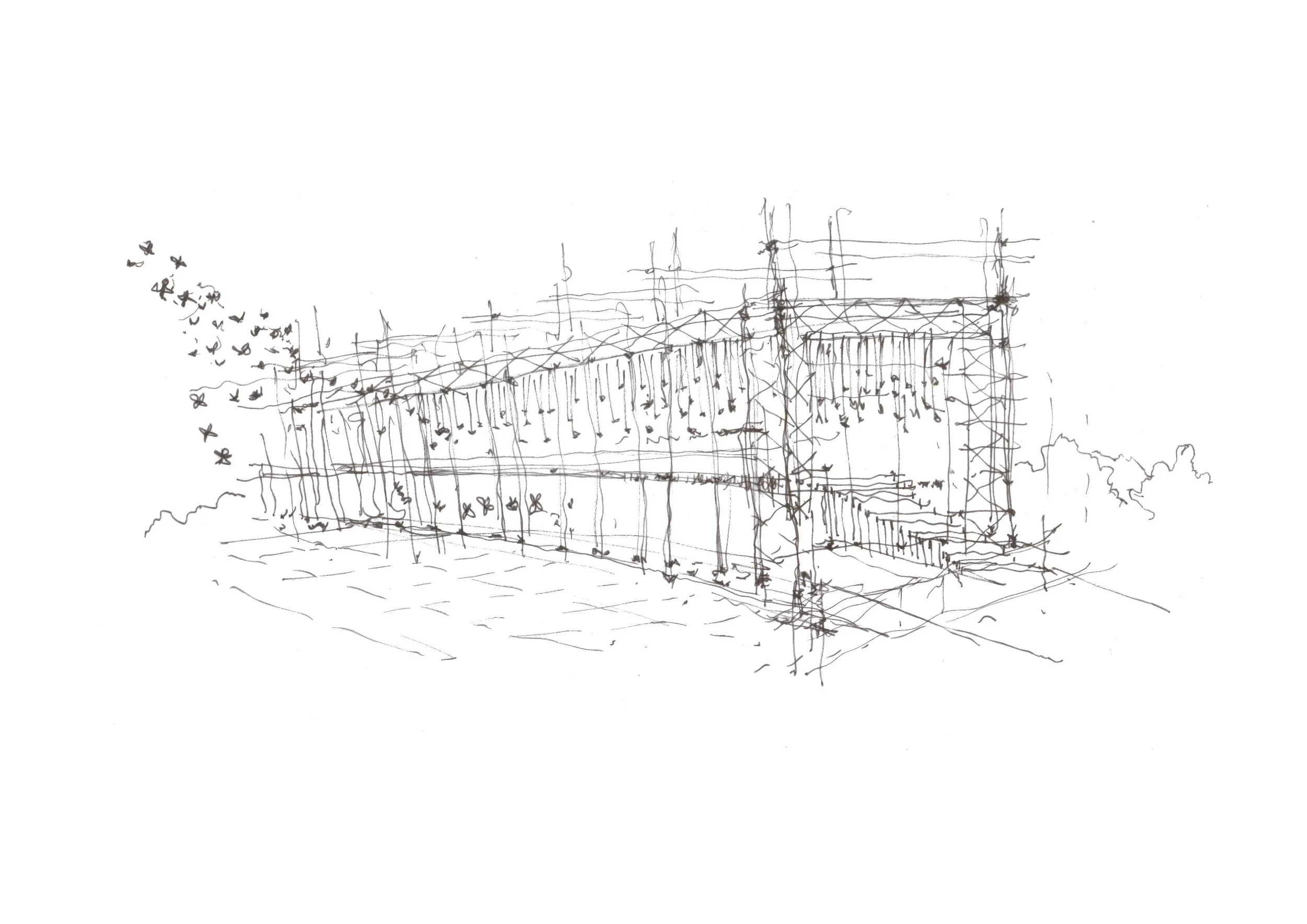
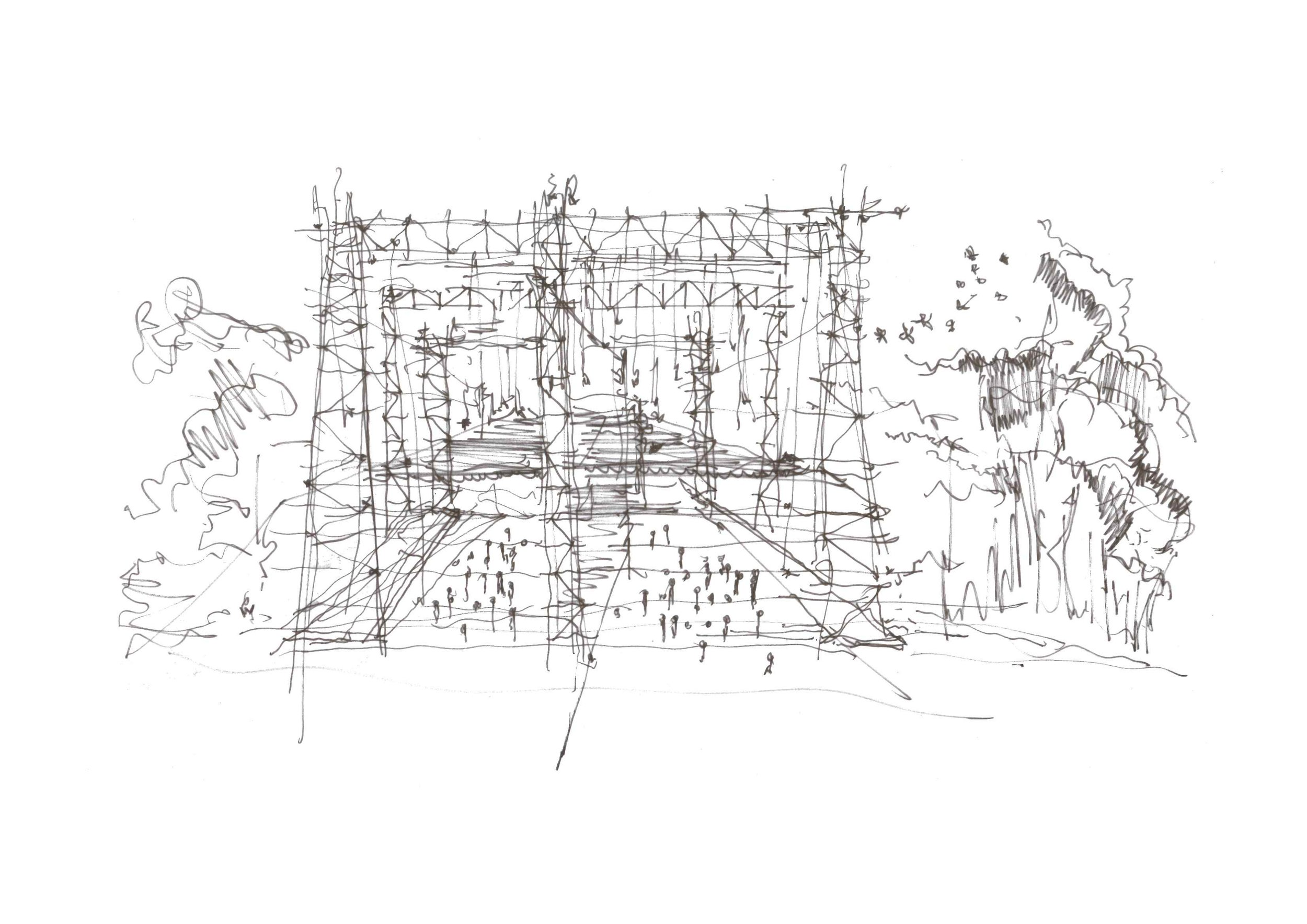
Contemporary British identity is the product of continuous migration over many years. While there are dominant historical narratives, Vikings, Huguenots, the Windrush generation, and Vietnamese tradespeople all contribute to the evolving identity of Britishness. Monarch proposes a contemporary Crystal Palace that imbricates British identity through the use of large-scale gantries, referencing industrial frameworks such as the Arrol Gantry that constructed the Titanic and Olympia, as a way to convey movement and exchange. The name references the monarch butterfly, using migration and transformation as guiding principles. Rather than treating contemporary British identity as fixed or inherited, Monarch frames it as cumulative, and continuously reconstructed. The content will display artefacts on human migration to the British Isles, in physical and digital form. Visitors will encounter a shifting landscape of contributions that foreground migration as a driver of cultural and economic life in Great Britain. Monarch is polysemous, rejecting sovereignty in favour of a transient existence that leaves traces for future generations to learn from. This is a framework for the future educational and cultural institutions. 

Like migration itself, the architecture is provisional, adaptable, and capable of reassembly elsewhere. The building avoids the signifiers of monumentality in favour of a framework that can evolve through occupation and reuse. It’s not anti-monumental but provisional monumentality for the next institutional conception that contemporary Britain needs to collaborate and fund. 

With the Serpentine river to the north, and Albertopolis along the perpendicular cultural axis anchored by the Albert Memorial, the proposal occupies the London Football School hire pitch at Hyde Park. A suspended first floor hovers above an open-civic ground plane, while demountable scaffold structures support adaptable curatorial installations. 

A dynamic ceiling installation forms the central spatial feature capable of continuous growth and transformation. In light of Joseph Paxton’s late competition entry, this project returns to the immediacy of that initial sketch on blotting paper, with early ideas for Monarch sketched onto translucent sheets.