
Griot Story is a repository that shares diasporic, historical, and speculative storytelling. The investigations are ongoing, beyond any notion of sole authorship, across a variety of scales.
GAZE:
In a candid interview with Reggie Yates, Michaela Coel expresses her compassion for storytelling. She shares a moment of liberation and acceptance in her story.
‘If you don’t show it, it can be erased…’
1/100
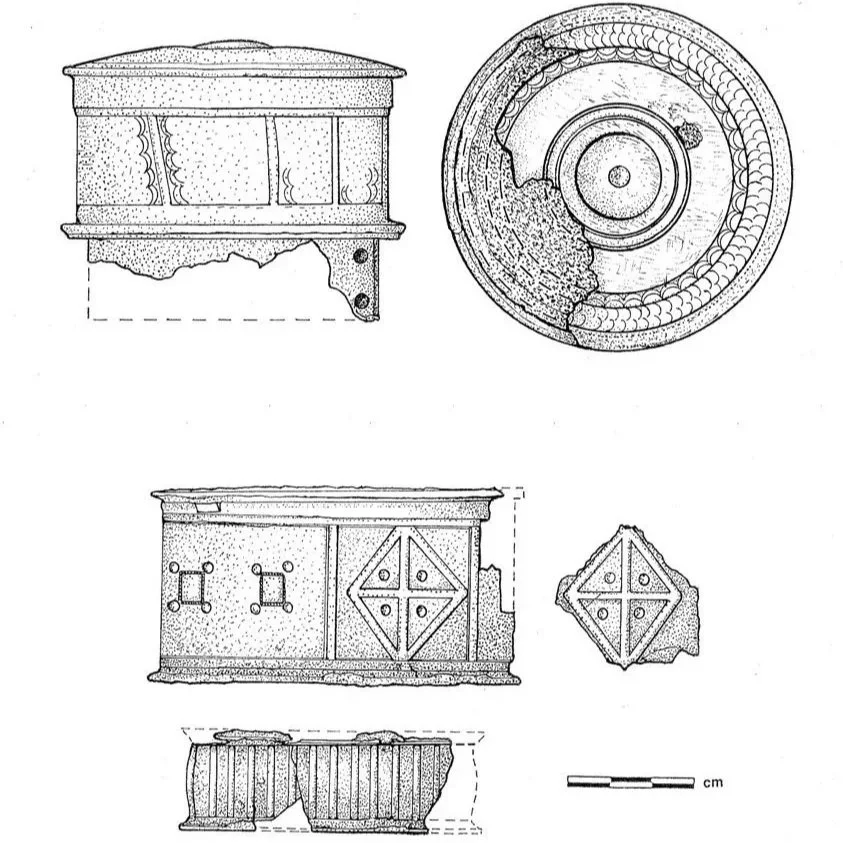
ARTIFACTS X METALWORK: 19th Century Mforowa from Elmina
A repoussé band, vertical lines, and a stamped scalloped pattern decorate the body and lid. The base of the Mforowa is undecorated. The body of the second Mforowa recovered at this location measures 3.8 centimeters high and 7.5 centimeters in diameter. The body is decorated with simple repoussé and stamped incised geometric patterns, while at least a portion of the base was decorated with faux-grill work.
Source: Open Edition Journals, Brass Working and Mforowa Manufacture among the Akan of Coastal Ghana during the 17th–20th centuries. Christopher R. DeCorse
2/100
HOME X URBANITY:
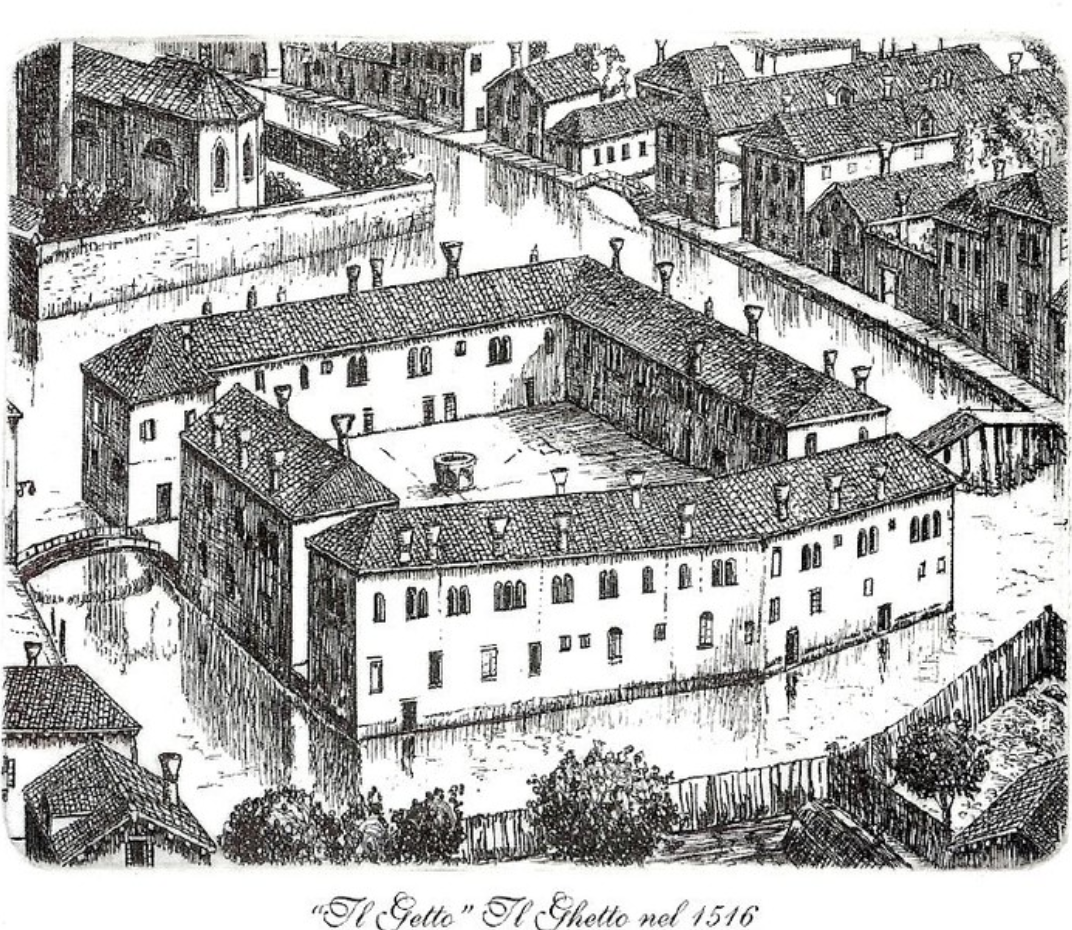
In the three parts of the ghetto ("ghetto novo", "vecchio", and "novissimo"), German, Levantine, and Italian Jews melted together. Their number fluctuated due to immigration, restrictions, plague, and emigration.
The term ‘Ghetto’ is 500-600 years old, coined by the Venetians and the newly settled community of the Jewish Diaspora that would settle in Venezia, popularly known as Venice.
The etymology of the word is not quite clear. However, located on an old foundry, ghèto, in Venetian is where it’s said to get its original meaning.
The domesticity of a diasporic culture built upon a brownfield site is set to define the conceptual, spatial nature for many other places and contexts.
3/100
Started August 5th 2023, as a response to the Biennale Architecture Fellowship -LABORATORY OF THE FUTURE